Property Insights · 21 May 2026
What Should You Look for in a Property Specification?
Specifications tend to list the visible. The parts that determine how a home performs are usually further down the page, or missing from it.
Dreamvista Development
A specification is a promise about what will be delivered. Most are weighted towards the things that photograph well: kitchen brand, sanitaryware, flooring, lighting. Those matter, but they are also the easiest parts of a house to change later. The parts that are difficult or impossible to change are the ones worth reading carefully.
Below is a practical checklist. Use it to ask questions rather than to score a project — a good developer will answer all of it without difficulty.
Structure
Ask what the structural system is, what the foundation solution is, and what it is based on. A reasonable answer references ground investigation and engineering design for that site. If structure is not mentioned at all in a specification, that is itself information.
Walls
What is the wall build-up, externally and internally? What thickness? Are external or party walls treated differently from internal partitions? Is there a double-wall or insulated build-up anywhere, and if so, where and why?
Roof
Roof construction, insulation above the ceiling, ventilation of the roof void, and gutter and downpipe capacity. In a monsoon climate rainwater capacity is not a detail.
Glazing, windows and doors
Frame material and finish (powder-coated or anodised aluminium is common and durable), glazing type — single, double, laminated, low-emissivity — and, importantly, how windows are installed and sealed. Also ask about ironmongery, insect screens and whether large sliding units are properly supported and drained.
Electrical
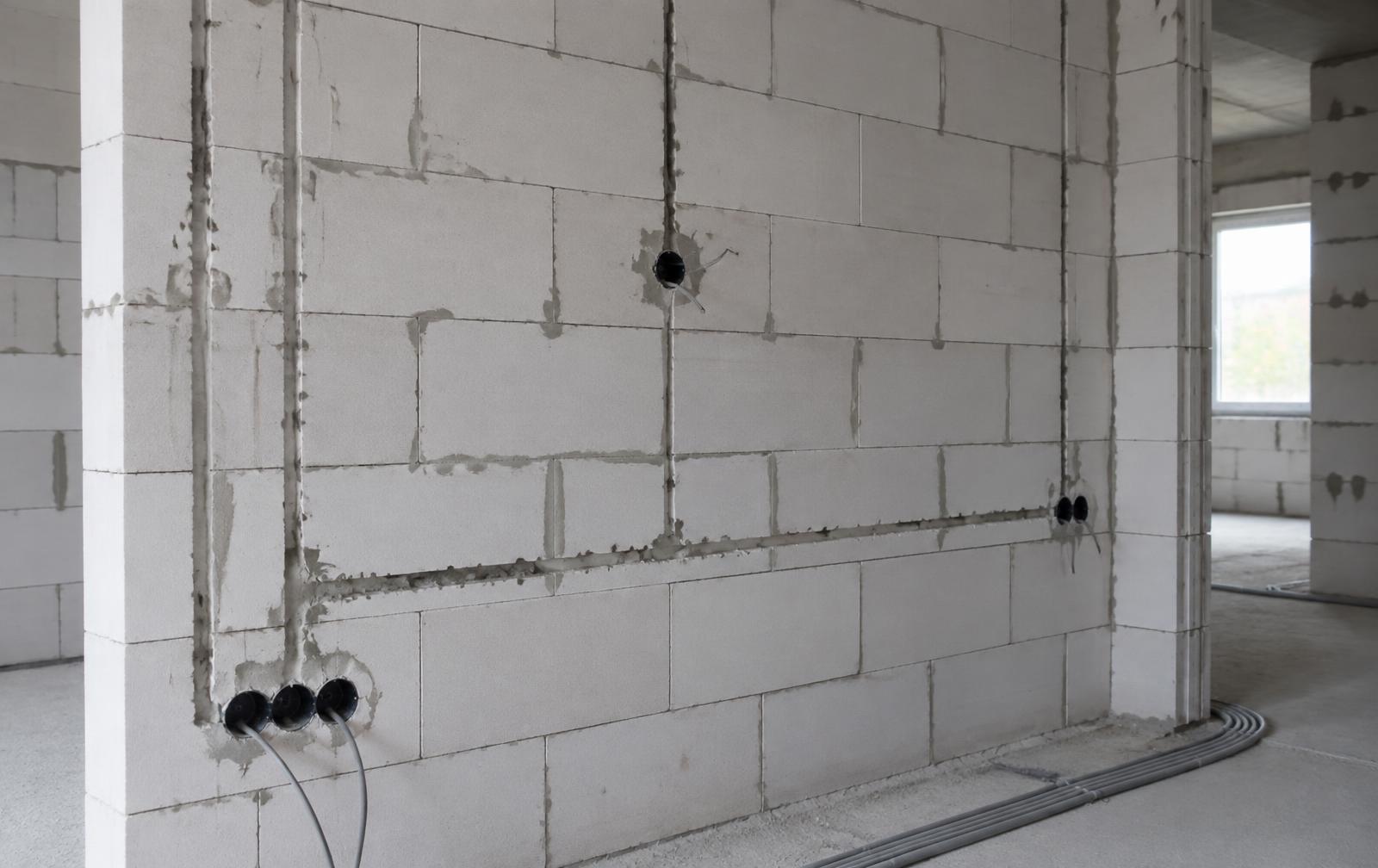
Incoming supply capacity, distribution board size and spare ways, circuit protection including RCD/earth leakage protection, earthing arrangements, number and position of sockets, and cabling standards. Electrical supply in most provincial areas is provided by the Provincial Electricity Authority, and connection capacity is a practical constraint worth confirming early.
Plumbing and hot water
Pipe materials, water storage and pump arrangements, water pressure at upper levels, filtration, hot water system type and capacity, and — often overlooked — access for maintenance. A neat installation with no access panel becomes an expensive repair later.
Drainage and wastewater
Below-ground drainage, falls, inspection access, rainwater disposal, and wastewater treatment arrangements. In many developments this is handled at community level; ask how, and who maintains it.
Waterproofing
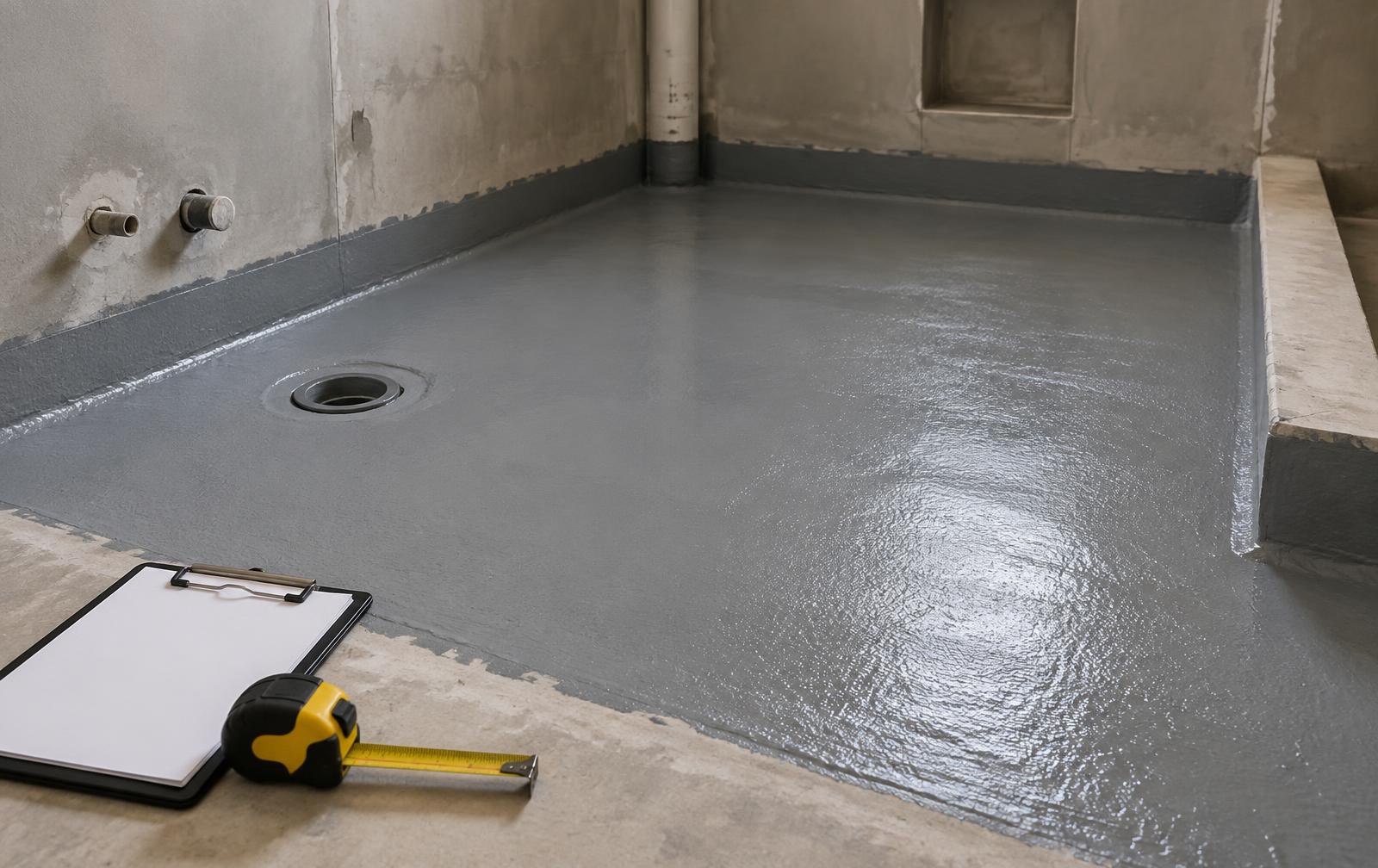
Where waterproofing is applied — bathrooms, terraces, roofs, planters, pool surrounds — what system is used, and whether it is tested (for example, a flood test before tiling). Ask for photographs of it in place. This is the single most valuable item on the list, because failures are expensive and disruptive.
Air conditioning
System type, capacity per room, condenser locations and how they are screened, condensate drainage routing, and serviceability. Condensate drainage is a frequent source of problems and almost never appears in marketing material.
Swimming pool
Structure and waterproofing, filtration and circulation equipment, overflow or skimmer design, balance tank where applicable, equipment housing, and how maintenance access works. Also ask about safety details and pool surround drainage.
Solar and EV preparation
If solar is included, ask for system size, inverter, and whether it is grid-tied, and under what arrangement. If it is not included, ask whether the roof and electrical design allow it to be added. For electric vehicles, the practical question is whether dedicated circuit capacity and cable routes to the parking area have been provided, even where a charger is not fitted.
Smart home systems
Ask what is actually controlled, whether the system works if the internet does not, and whether it is a proprietary platform or an open one. A simple, reliable installation usually ages better than an elaborate one.
Appliances and finishes
Brands and models, warranty terms, and whether equivalents may be substituted. Substitution clauses are normal; the useful question is what "equivalent" means and who decides.
Landscaping
What is included at handover, plant sizes at planting, irrigation, drainage of planted areas, and who maintains common landscape. Mature planting is expensive and takes years — it is a genuine part of value.
Warranties
What is covered, for how long, and by whom. Structure, waterproofing, equipment and finishes usually carry different periods. Ask how claims are made and who holds the obligation if a contractor changes.
The underlying point
Visible specification is about the standard of fit-out. Construction quality is about the parts already covered up. A high-end kitchen in a house with poorly detailed waterproofing is a worse purchase than a modest kitchen in a well-built house, because one of those problems is easy to fix.
Ask about both. The willingness to answer the second set of questions is usually as informative as the answers themselves.
Common questions
- Which specification items are hardest to change later?
- Structure, foundations, wall build-ups, roof construction, waterproofing, drainage and the position of services. Finishes and appliances are comparatively straightforward to change.
- What does an ''equivalent'' substitution clause mean?
- That an item may be replaced by another of similar quality if the specified one is unavailable. Ask how equivalence is judged and whether you are notified before substitution.
- Is a longer warranty always better?
- Only if the party giving it will still exist and the claim process is clear. Scope and administration matter as much as duration.
- Should a buyer commission an independent inspection?
- Many buyers do, particularly for stage inspections during construction and at handover. It is a normal and reasonable request.
Sources
Dreamvista Development
We are happy to discuss specification and construction detail for our developments.
Contact Dreamvista for project documentationPrivate Briefings
Private Briefings
Development updates, new projects and selected insights from Dreamvista, sent directly to you.