Behind the Build · The details behind a Dreamvista home.
Behind the Build · 2 September 2026
How Quality Is Controlled on a Construction Site
Quality is not a final inspection. It is a sequence of small checks, made at the moments when correction is still cheap.
Dreamvista Development
A common assumption is that quality is verified at the end, when the house is finished and someone walks through with a list. By then, most of what determines quality is inaccessible. Real quality control happens continuously, at points chosen because they are the last moment something can be seen.
Specification first
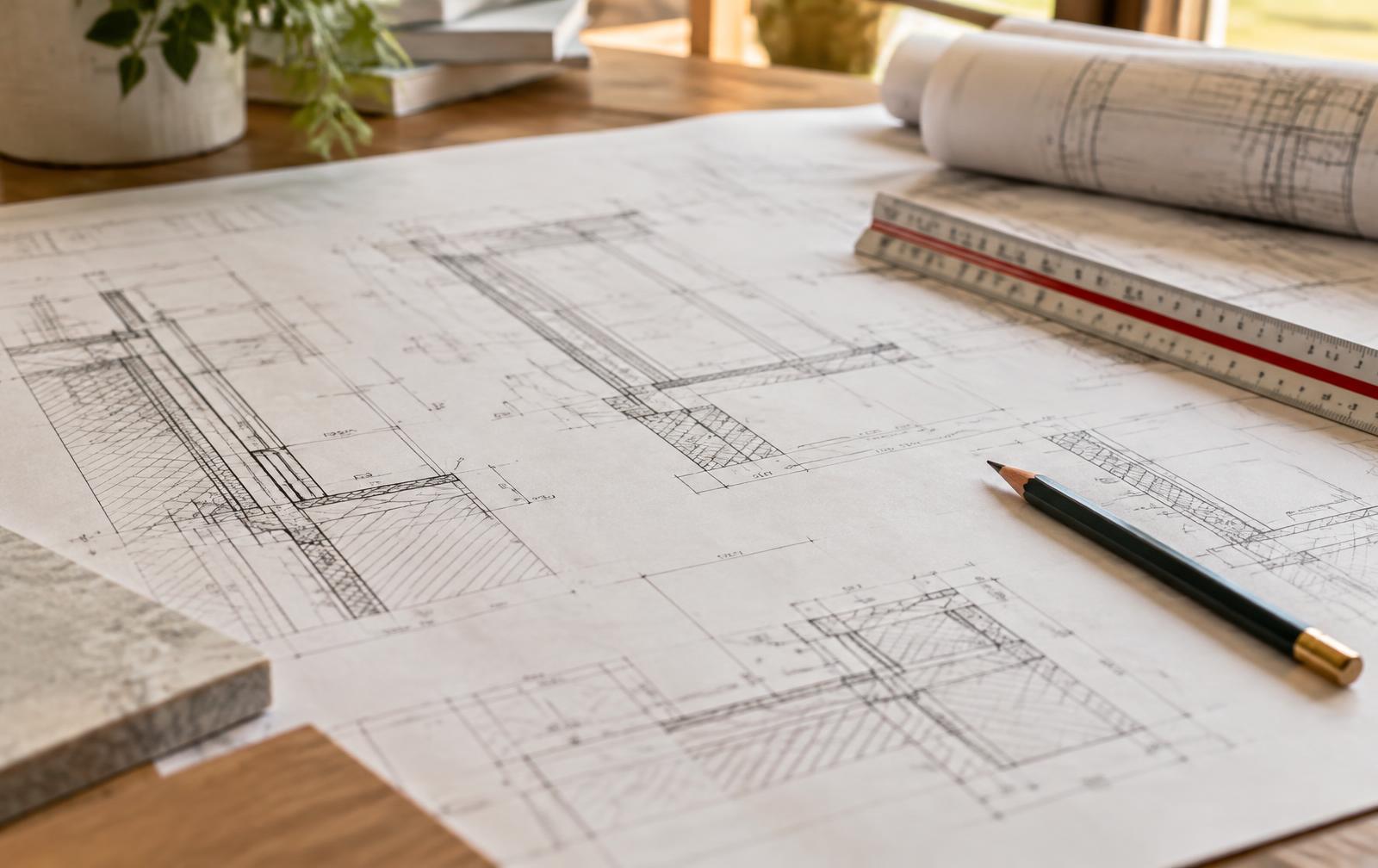
Nothing can be checked without a standard to check against. That means drawings, specifications, approved materials and agreed methods, all issued as controlled documents so that everyone is working to the same revision. A surprising proportion of construction defects originate in superseded drawings still circulating on site.
Material approval
Materials are approved before they are ordered, and checked on arrival against what was approved: correct product, correct grade, undamaged, and accompanied by documentation. Storage matters too — cement and boards degrade if stored badly, and reinforcement left in standing water is not improved by it.
Method statements
For significant activities, the sequence and method are agreed in advance: how the work is done, in what order, with what equipment, and what is checked at each step. This converts expectation into instruction.
Hold points and inspections
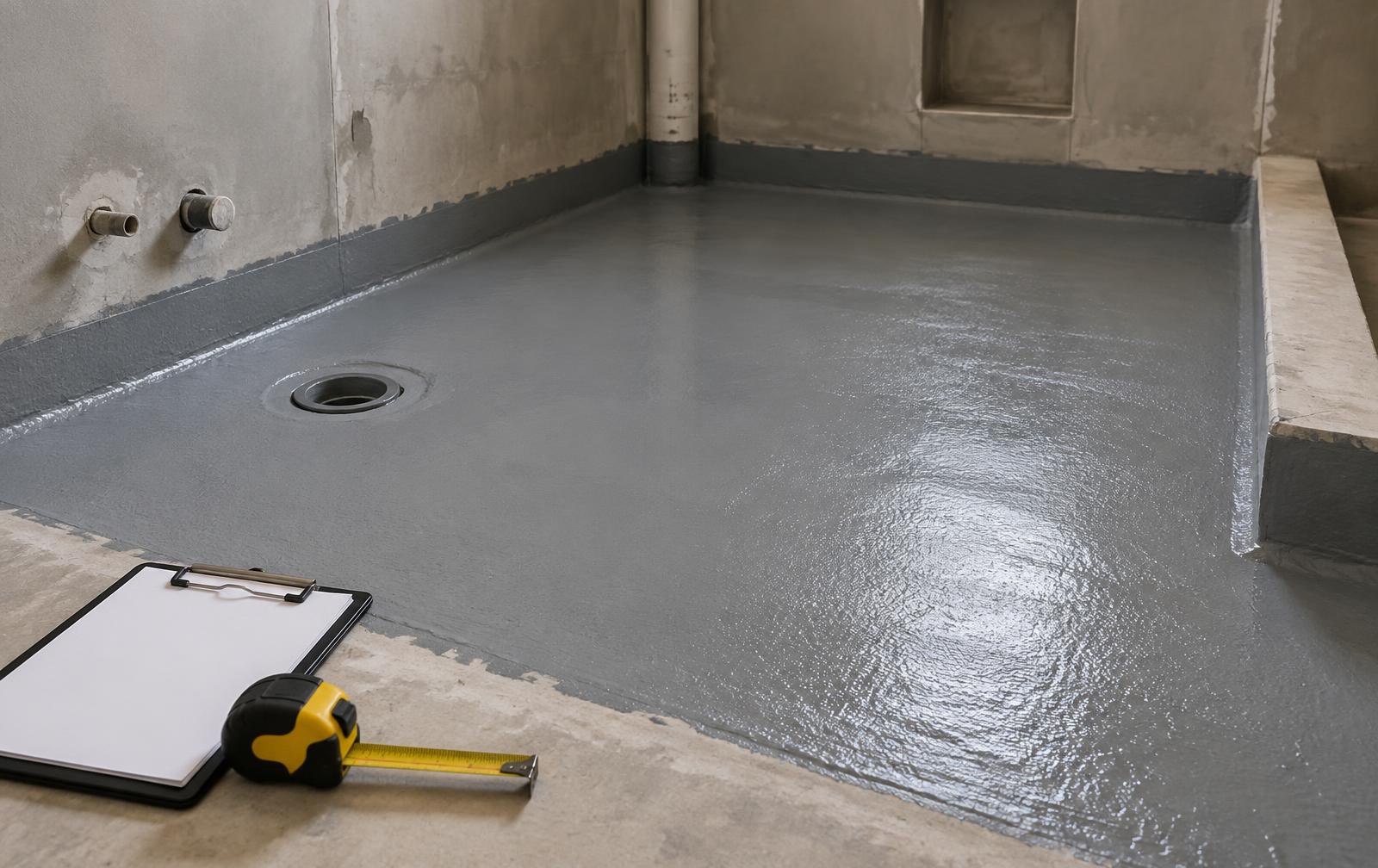
A hold point is a stage where work stops until it is inspected. Typical hold points include reinforcement before concrete is placed, services pressure-tested before concealment, waterproofing before covering, and substrates before tiling.
Hold points exist because of a simple principle: inspect while correction is still cheap. A misplaced conduit costs minutes before plastering and hours afterwards.
Testing
Testing provides evidence rather than opinion: concrete test cubes crushed at set ages, pipework pressure tests, electrical tests including insulation resistance and earth continuity, flood tests on wet areas, and water tightness checks on façades where appropriate. Results are recorded.
Mock-ups and benchmarks
For finishes, a sample area or mock-up establishes the expected standard before the rest proceeds. It resolves disagreements about "acceptable" early, using a physical reference rather than adjectives.
Tolerances
Every element has a tolerance: level, plumb, alignment, flatness, joint width. Checking against tolerance during the work prevents the accumulation that later shows up as doors that need planing and skirtings that hide gaps.
Non-conformance
When work does not meet the standard, it is recorded as a non-conformance, with a decision on how it will be corrected, and a re-inspection afterwards. The purpose of recording it is not bureaucracy. It is to make sure the correction actually happens, and to reveal patterns — the same issue recurring usually points to a method problem rather than a careless individual.
Site conditions
Housekeeping, protection of completed work, weather protection, safe storage and access all affect quality directly. Finished surfaces damaged by later trades are one of the most common sources of handover defects, and are almost entirely preventable with protection.
Documentation
The output of all of this is a record: inspection sheets, test certificates, material approvals, non-conformance records, as-built drawings showing where services actually run, and photographs of work before it was covered.
That record is what allows a buyer, years later, to know what is behind the wall.
Snagging and handover
Snagging at completion is real and necessary, but it is the last and least important layer. It catches visible, finishable items. It cannot catch anything structural, concealed or already built over.
A project relying on snagging as its quality system is relying on the wrong thing.
What to ask
- What are the hold points, and who signs them off?
- What testing is carried out, and can results be seen?
- How are non-conformances recorded and closed?
- Are as-built records and photographs of concealed work kept?
- Is independent inspection permitted at agreed stages?
These questions are ordinary. The ease with which they are answered tells you a good deal.
Common questions
- What is a hold point?
- A stage where work stops until it has been inspected — for example reinforcement before concreting, or waterproofing before tiling. It exists because after that point correction becomes expensive.
- Is snagging enough?
- No. Snagging catches visible, finishable items at completion. Structural and concealed work cannot be assessed at that stage.
- What is a non-conformance record?
- A written record that work did not meet the specified standard, with the agreed correction and a re-inspection. It ensures the fix happens and reveals recurring problems.
- What documentation should exist at handover?
- Inspection records, test certificates, material approvals, as-built drawings, warranty documents and photographs of concealed work.
Dreamvista Development
Quality control runs through every stage of a Dreamvista development.
Learn how we approach constructionPrivate Briefings
Private Briefings
Development updates, new projects and selected insights from Dreamvista, sent directly to you.